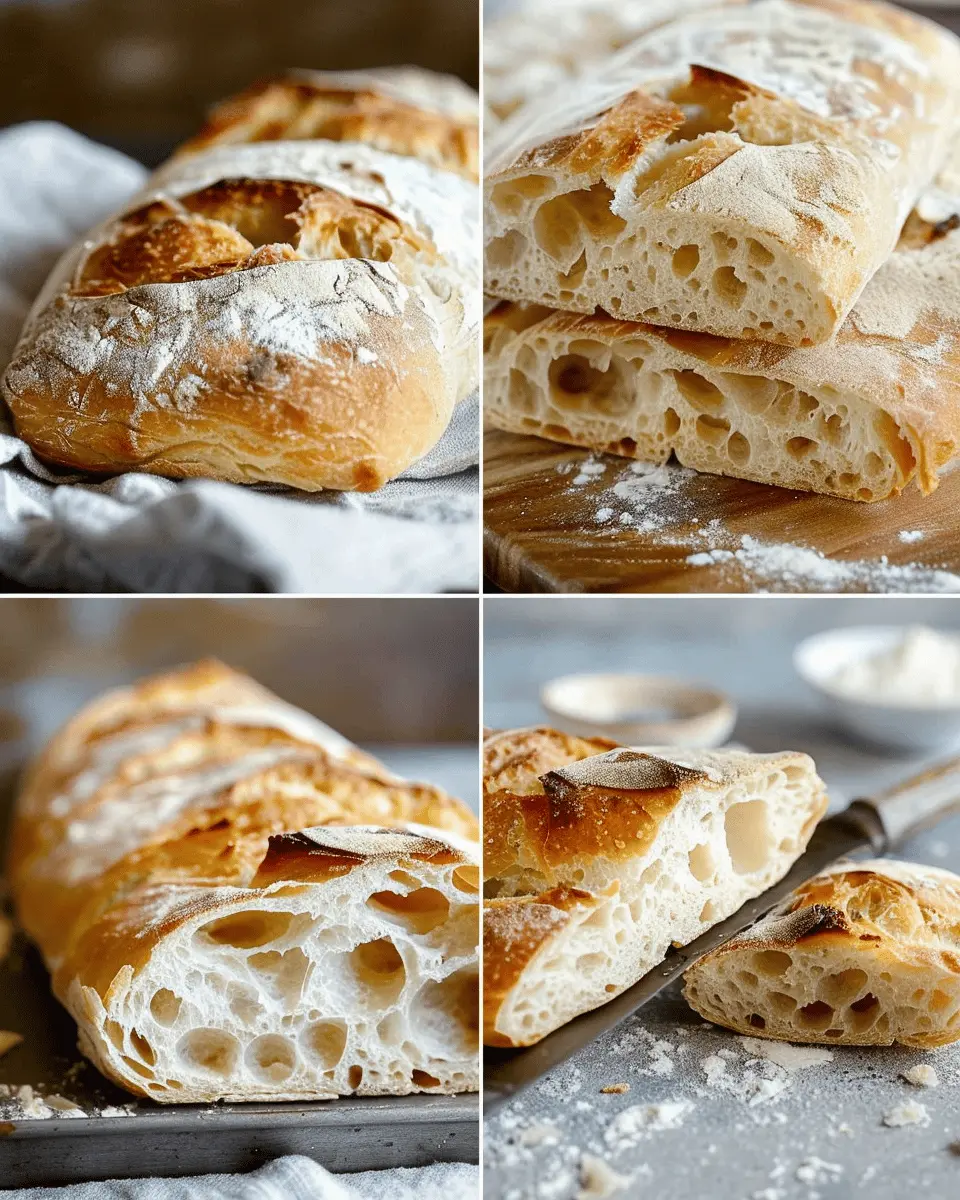
Introduction to Homemade Ciabatta Bread
Ciabatta bread has a special place in the hearts (and stomachs!) of bread lovers everywhere. Originating from Italy, it’s characterized by its crispy crust and airy, open crumb that begs for a dip in olive oil or a slice of your favorite turkey bacon. But have you ever tried making homemade ciabatta bread? If not, you’re in for a treat!
Why make homemade ciabatta bread?
There are countless reasons to roll up your sleeves and dive into the delightful world of bread making. Here’s why making homemade ciabatta bread is worthy of your time and effort:
-
Freshness and Flavor: There’s no denying that fresh bread tastes infinitely better than store-bought. When you bake ciabatta at home, you get to experience the wonderful aromas that fill your kitchen—a sensory experience that even the best bakeries can’t replicate.
-
Healthier Ingredients: You get to choose what goes into your bread. Want to avoid preservatives? You’re in control! You can opt for high-quality flour and add herbs or grains to tailor it to your tastes. For more guidance on ingredient choices, check out the Whole Grains Council.
-
Accomplishment and Connection: There’s something deeply satisfying about baking bread. The process requires patience and a bit of skill, but the end result is well worth it. It’s also a great way to bond with family and friends; why not invite someone over for a bread-making afternoon?
-
Versatility: Homemade ciabatta bread can be used in countless ways: sandwiches, bruschetta, or simply enjoyed with a splash of balsamic vinegar. Imagine a fresh ciabatta sandwich layered with chicken ham and a touch of pesto—delicious!
So why wait? Crafting your own homemade ciabatta bread opens up a world of flavors and experiences. In the following sections, I’ll guide you through the simple yet rewarding process of making this Italian classic from scratch. Let’s get baking!
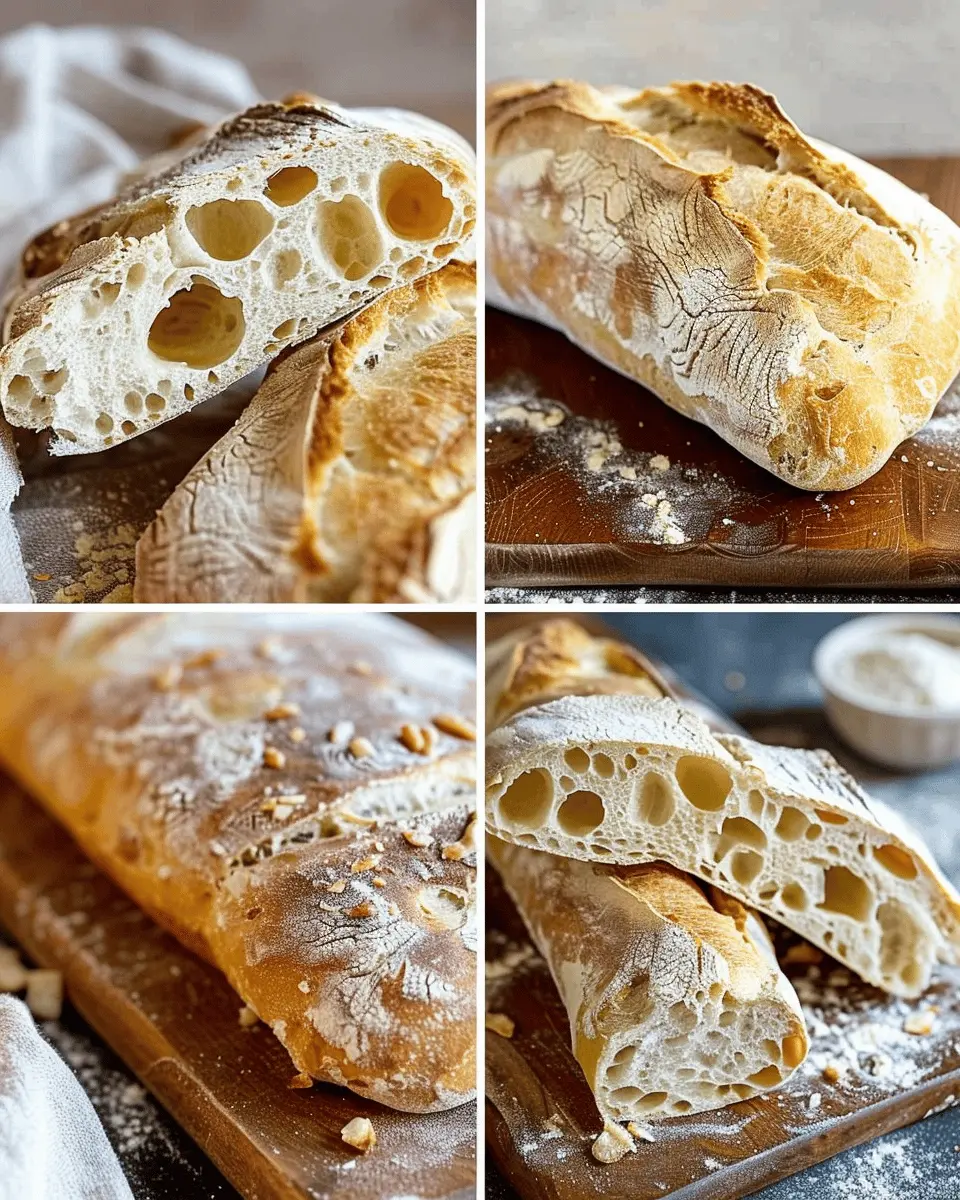
Ingredients for Homemade Ciabatta Bread
Making homemade ciabatta bread is a rewarding experience, and the great news is you only need a handful of simple ingredients. Let’s break down what you’ll need for this delightful, rustic loaf.
Essential Ingredients
- All-Purpose Flour: 4 cups – This is the foundation for your ciabatta. The higher protein content helps develop a nice chewy texture.
- Water: 1 ½ cups of room temperature water – Hydration is key! This is what keeps your bread soft and fluffy.
- Yeast: 1 packet (or 2 ¼ teaspoons) of active dry yeast – This will give your bread that lovely rise.
- Salt: 2 teaspoons – Enhances flavor, but make sure not to skip it!
- Olive Oil: 2 tablespoons (plus more for brushing) – Adds richness and helps create that crispy crust.
Optional Touches
- Herbs and Spices: Feel free to add your favorite dried herbs for an extra flavor boost!
- Mix-Ins: Ingredients like sun-dried tomatoes or olives can give your ciabatta a unique twist.
With these ingredients, you’re well on your way to creating a loaf that not only smells divine but also fills your kitchen with warmth and joy. Do you have a favorite ingredient you’d like to customize your ciabatta with? Let your creativity flow! For more tips on bread-making, check out King Arthur Baking for expert insights. Happy baking!
Step-by-step Preparation for Homemade Ciabatta Bread
Making homemade ciabatta bread is a rewarding experience that fills your kitchen with a delightful aroma and leaves you with a slice of heaven. While this Italian classic might sound intimidating, I promise it’s quite manageable with a little patience and care. Let’s walk through each step together, shall we?
Make the dough
To start, we need to gather our ingredients. Here’s what you’ll need:
- 4 cups all-purpose flour
- 1 ½ cups water (room temperature)
- 2 teaspoons salt
- ½ teaspoon active dry yeast
Mix the flour and yeast in a large bowl. Add the water gradually, stirring until a shaggy dough forms. This dough will be quite wet and sticky — this is normal! It’s what gives ciabatta its lovely airy texture. Once combined, cover it with plastic wrap or a damp cloth and let it rest for about 20-30 minutes. This process is called autolyse, and it helps develop gluten, leading to that wonderful chewy crust.
First rise
After the dough has rested, sprinkle the salt on top. You’ll want to mix this in carefully to avoid tearing the dough too much. Use the “pinch and fold” method: pinch a piece of dough, stretch it upwards, and fold it over itself. Repeat this a few times until the salt is well incorporated.
Now it’s time for the first rise! Cover your bowl and let the dough rise at room temperature for about 2 hours, or until it has roughly doubled in size. If you’re looking to geek out on yeast and fermentation, check out this great resource on beginner bread making here.
Fold and rest the dough
This is where your homemade ciabatta bread starts to take off! Once your dough has risen, it’s time to give it a couple of folds. Lightly flour your work surface and turn the dough out. It will be very sticky, so use floured hands. Gently stretch and fold the dough into the center, turning it as you go. Let it rest for another 30 minutes before giving it another fold.
Repeat this process about four times over a duration of 2 hours. Keeping the folds gentle is key as we want to maintain all that lovely airiness.
Preheat the oven and bake
Once your dough has gone through sufficient folding and resting, it’s time to preheat your oven to a sizzling 450°F (230°C). If you have a pizza stone, place it in the oven to heat up—this is fantastic for achieving that crispy crust.
While the oven is heating, prepare your baking surface. Dust a baking sheet or the back of a baking tray with flour. Gently and carefully turn the dough onto the floured surface and cut it into two or more equal pieces with a serrated knife. Shape them into rectangles without deflating too much of the air inside.
Transfer the pieces onto your prepared sheet, and let them proof for about 30 minutes while your oven finishes heating. Before baking, you can make a few slashes across the tops of the loaves for a beautiful finish. Bake for 25-30 minutes or until the loaves are golden and sound hollow when tapped.
Cool and serve
Once your homemade ciabatta bread is out of the oven, resist the urge to dive right in (I know, it’s hard!). Let the loaves cool on a wire rack for at least 30 minutes — this allows the inside to set properly.
When cooled, slice them up to share with friends or enjoy with your favorite spread. Trust me, nothing beats a slice of warm ciabatta dipped in olive oil or topped with turkey bacon and avocado!
Homemade bread is more than just food; it’s an experience, and I hope these steps make it easy and enjoyable for you. So roll up your sleeves, embrace the process, and let’s bake some magic!
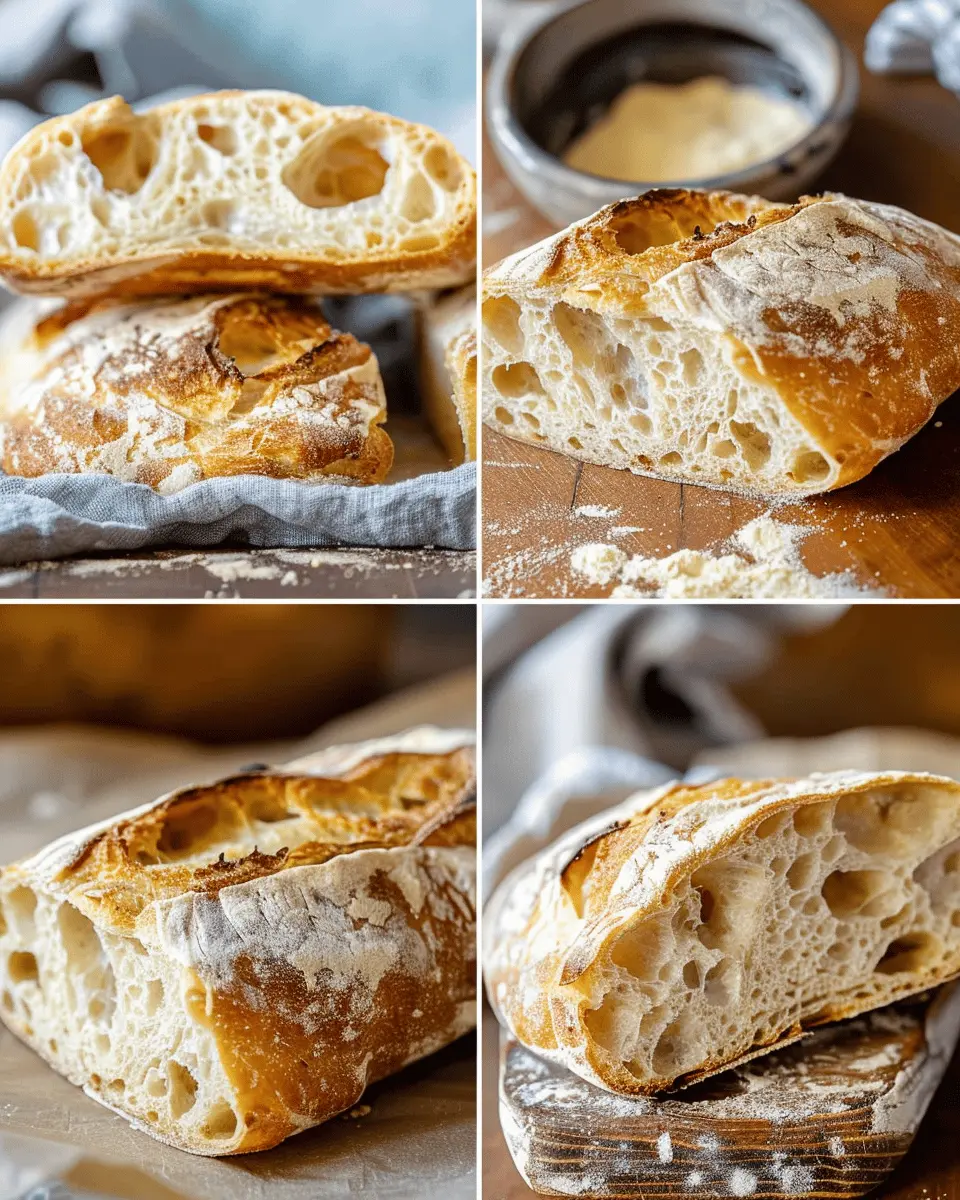
Variations on Homemade Ciabatta Bread
Once you’ve mastered the classic homemade ciabatta bread, you might be tempted to explore some tasty variations that can elevate your bread-baking game! Here, we’ll dive into two delightful versions that are sure to impress.
Herb-Infused Ciabatta
Herbs can completely transform the flavor profile of your ciabatta, making it a perfect accompaniment to soups and salads. Consider incorporating fresh herbs like rosemary, thyme, or basil right into your dough. Here’s what you’ll need:
- 2 tablespoons of finely chopped fresh herbs (rosemary or thyme works beautifully)
- 1 tablespoon of olive oil (for extra moisture and richness)
Simply mix the herbs into your dough during the kneading stage. This little addition not only gives your homemade ciabatta bread a fragrant aroma but also a lovely green fleck that looks appealing. Want an extra layer of flavor? Brush the crust with olive oil before baking for a shiny, golden finish.
Olive and Sun-Dried Tomato Ciabatta
If you’re a fan of Mediterranean flavors, this variation is for you! The combination of olives and sun-dried tomatoes adds a savory zest to your bread. Here’s how to personalize your ciabatta:
- 1/2 cup of pitted olives, chopped (Kalamata or green olives are ideal)
- 1/4 cup of chopped sun-dried tomatoes (oil-packed for richness)
Incorporate these ingredients into your dough along with the flour for a delightful burst of flavor with every bite. Great for sandwiches, this homemade ciabatta bread variation is perfect for picnics or a casual gathering with friends.
Experimenting with these variations not only keeps your baking exciting but also allows you to impress and satisfy different palates! For more inspiration, check out King Arthur Baking for tips on enhancing your bread recipes. Happy baking!
Baking Tips and Notes for Homemade Ciabatta Bread
Baking homemade ciabatta bread can be an incredibly rewarding experience, but it does require a little finesse. Here are some essential tips to elevate your baking game.
Use Quality Ingredients
- Always opt for high-quality flour. Flour with a high protein content creates that lovely gluten structure, essential for ciabatta’s airy texture.
- Fresh yeast is your best friend. It ensures your bread rises beautifully, giving you that wonderful crust.
Don’t Rush the Dough
Patience is key when it comes to dough development. Allow your dough to rise for a sufficient time; ideally, you should give it at least 1-2 hours to double in size. A slow fermentation enhances flavors, making your homemade ciabatta bread even more delightful.
Master the Stretch and Fold Technique
Instead of kneading, use the stretch and fold method to strengthen the dough. This technique incorporates air while maintaining the dough’s structure.
Stay Hydrated
Ciabatta benefits from a higher hydration level, typically around 70%. If you’re unsure, start with less water and add gradually until you achieve a sticky but manageable dough.
For more insights on baking bread, consider resources from the King Arthur Baking Company and The Bread Lab for expert tips and techniques. Enjoy your baking adventure!
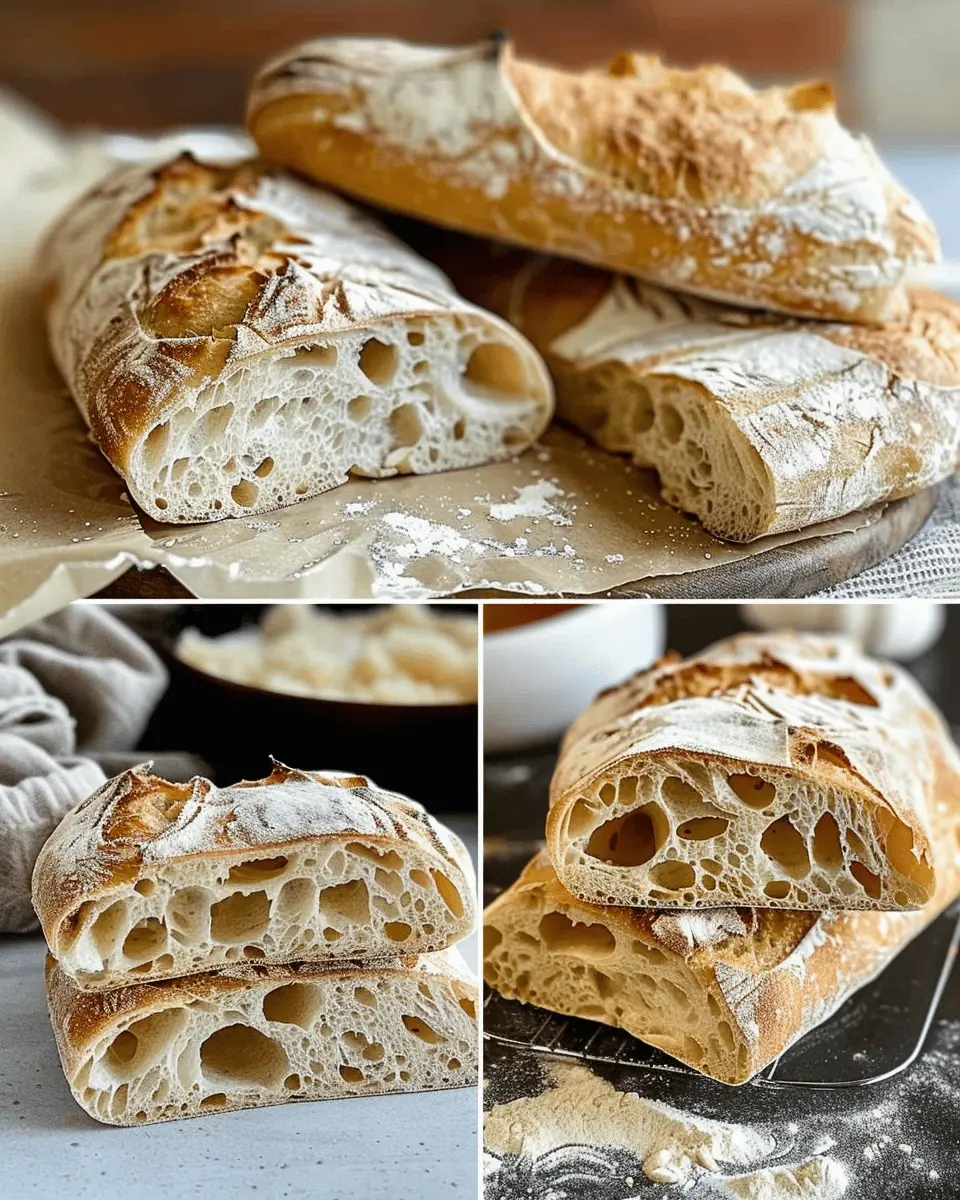
Serving Suggestions for Homemade Ciabatta Bread
Homemade ciabatta bread is incredibly versatile and perfect for a variety of meals and snacks. Here are some delightful serving suggestions to make the most of your freshly baked loaf:
Create a Delicious Sandwich
-
Turkey Bacon and Avocado: Layer crispy turkey bacon with ripe avocado, fresh tomato slices, and a hint of lime, all nestled between two slices of warm ciabatta. It’s a satisfying option for lunch!
-
Mediterranean Delight: Fill your ciabatta with chicken ham, hummus, and roasted red peppers for a refreshing and flavorful sandwich. Pair it with a side of mixed greens for a light, wholesome meal.
Perfect for Dipping
-
Serve with Olive Oil and Balsamic Vinegar: Cut your ciabatta into rustic chunks and serve alongside a dish of high-quality olive oil and balsamic vinegar for a simple yet elegant appetizer.
-
Aromatic Soup Sidekick: Enjoy slices of your ciabatta alongside a comforting bowl of minestrone or tomato basil soup. The bread is perfect for soaking up those rich flavors.
Elevate Your Cheese Board
Transform your homemade ciabatta bread into a star player on a cheese board. Pair it with a selection of cheeses, fruit preserves, and charcuterie, making it the perfect addition to your next gathering.
For more ideas, check out this cheese board guide to elevate your entertaining game!
Time Breakdown for Homemade Ciabatta Bread
Creating your own homemade ciabatta bread is an experience that rewards you with fantastic flavor and a satisfying texture. Here’s how your time will break down:
Preparation Time
Plan for about 30 minutes to gather your ingredients and mix together your dough. This is where the magic begins!
Rising Time
Patience is key here! Allow your dough to rise for approximately 2 hours, giving it that beautifully airy quality.
Baking Time
Once the dough is ready, it’s time to bake! Expect around 25 minutes in the oven for that perfect golden crust.
Total Time
All in all, you’re looking at roughly 2 hours and 55 minutes from start to finish – but trust me, it’s worth every minute!
For more tips and tricks, you might like to check out resources from the King Arthur Baking Company or America’s Test Kitchen. Happy baking!
Nutritional Facts for Homemade Ciabatta Bread
When you’re whipping up a loaf of homemade ciabatta bread, it’s nice to know what you’re enjoying. Here’s a quick breakdown of the nutritional content:
Calories
On average, a slice of homemade ciabatta bread contains about 80 calories. This makes it a light addition to your meals or snacks without significantly contributing to your daily intake.
Carbohydrates
Each slice has roughly 15 grams of carbohydrates. Most of these come from the flour, providing that delightful chewy texture we love.
Protein
You’ll find around 3 grams of protein in a slice. While not a protein powerhouse, it pairs well with protein-rich toppings like turkey bacon or chicken ham, balancing flavor and nutrition.
Incorporating homemade ciabatta bread into your meals can be a fulfilling experience. Plus, it’s always good to pair it with sides like a fresh salad or some colorful roasted veggies to keep things nutritionally balanced. For more in-depth insights, consider looking at resources such as the USDA FoodData Central for precise nutritional profiles.
FAQs about Homemade Ciabatta Bread
What makes ciabatta different from other bread?
When it comes to homemade ciabatta bread, its unique texture and flavor set it apart from other varieties. Ciabatta, which means “slipper” in Italian, is known for its airy crumb and crispy crust. This bread typically has a high hydration dough, leading to a moist interior and large, irregular holes that are perfect for trapping flavors. Unlike other breads, such as sourdough, ciabatta is less tangy and has a more straightforward wheaty taste. If you’re looking to explore more about bread types, The Bread Lab offers great insights!
Why is my ciabatta dough so sticky?
It’s not uncommon for ciabatta dough to feel incredibly sticky, and that’s actually a sign you’re on the right track! This high hydration is essential in creating its characteristic texture. If you find it unmanageable, try wetting your hands when handling the dough instead of adding additional flour. This technique helps maintain that all-important moisture balance without altering the recipe. Remember, patience is key—if you follow the resting times and don’t rush the process, you’ll end up with beautifully airy loaves.
Can I freeze homemade ciabatta?
Absolutely! Freezing homemade ciabatta bread is a fantastic way to preserve its freshness. Just slice the loaf, wrap it tightly in plastic wrap, and then place it in an airtight container or freezer bag before popping it into the freezer. When you’re ready to enjoy it, simply thaw at room temperature or toast slices directly from frozen. This way, you can relish the deliciousness of freshly baked ciabatta anytime!
If you’re keen on more baking tips, check out King Arthur Baking for professional advice.
Conclusion on Homemade Ciabatta Bread
Baking homemade ciabatta bread is an enjoyable and rewarding experience that seamlessly blends creativity with culinary skill. This light and airy bread is not just a staple for sandwiches but also perfect for soaking up your favorite sauces or spreads. Remember, patience is key — allowing the dough to ferment properly enhances its flavor and texture.
By following this recipe, you will impress friends and family, turning simple meals into extraordinary feasts. So, roll up your sleeves and start your baking adventure! For more baking tips and delicious recipes, check out sites like King Arthur Baking and BBC Good Food, your go-to sources for all things baking!
PrintHomemade Ciabatta Bread Recipe: The Easy Way to Indulge at Home
Learn how to make authentic ciabatta bread at home with this easy-to-follow recipe!
- Prep Time: 15 minutes
- Cook Time: 30 minutes
- Total Time: 12 hours 45 minutes
- Yield: 2 loaves 1x
- Category: Bread
- Method: Baking
- Cuisine: Italian
Ingredients
- 4 cups all-purpose flour
- 1 and 1/2 cups warm water
- 2 teaspoons salt
- 1/4 teaspoon instant yeast
Instructions
- In a large bowl, mix the flour, yeast, and salt.
- Add warm water and stir until combined.
- Cover the bowl and let it rest for 12-18 hours.
- After resting, shape the dough on a floured surface.
- Transfer to a baking sheet and let it rise for another hour.
- Bake in a preheated oven at 450°F (232°C) for 25-30 minutes.
Notes
- For a crustier bread, use a pizza stone.
- Experiment with adding herbs for extra flavor.
Nutrition
- Serving Size: 1 slice
- Calories: 150
- Sugar: 0.5g
- Sodium: 300mg
- Fat: 1g
- Saturated Fat: 0g
- Unsaturated Fat: 0.5g
- Trans Fat: 0g
- Carbohydrates: 30g
- Fiber: 1g
- Protein: 5g
- Cholesterol: 0mg
Keywords: ciabatta bread, homemade bread, easy bread recipe