

Introduction to Homemade Ramen
If you’ve ever had a steaming bowl of ramen, you’ll know it’s more than just a meal—it’s an experience. Homemade ramen captures that essence, bringing warmth and comfort right to your kitchen. The true beauty lies in its versatility; you can tailor your bowl to fit your cravings and dietary preferences. Whether you’re in the mood for a spicy miso or a rich, broth-based ramen, making it at home can be just as satisfying as slurping it at your favorite noodle shop.
Why is homemade ramen the ultimate comfort food?
There’s something about homemade ramen that brings back memories of cozy evenings and carefree weekends. The aromatic broth, paired with your choice of toppings, is truly heartwarming. According to a survey by the National Restaurant Association, 41% of diners consider noodle dishes, including ramen, a touch of comfort, which speaks volumes about their appeal. So why not take that comfort factor to the next level by crafting your very own version?
When you prepare ramen at home, you’re not just cooking; you’re engaging all your senses. The process of simmering your broth, slicing up fresh veggies, and garnishing with toppings like turkey bacon or chicken ham can ignite joy in your routine. Plus, did you know that this age-old dish has been revitalized into a more health-conscious format thanks to its foundational elements? Consider exploring options such as whole-grain noodles, gluten-free alternatives, and a variety of fresh vegetables to create a well-balanced meal that truly nourishes.
In this recipe article, you’ll find everything you need to whip up a comforting bowl that will wow your friends or just give you that much-needed pick-me-up after a long day. So grab your apron, and let’s dive deep into the world of homemade ramen. Sharing it with family or friends can turn a simple dinner into an extraordinary experience, igniting conversations and laughter around the table. For inspiration on various broth recipes, check out the wonderful culinary resources from Serious Eats or Bon Appétit. Let’s get started!
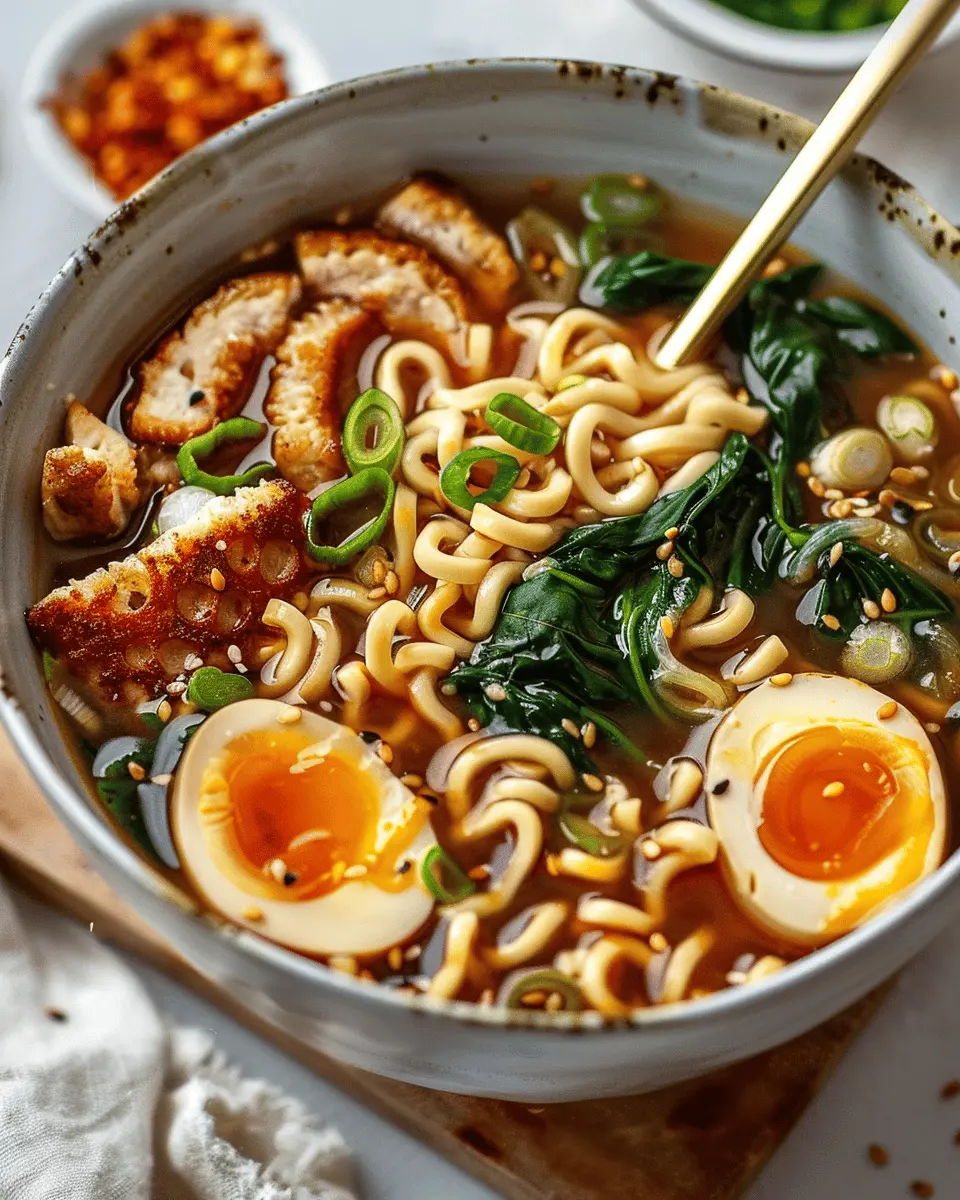
Ingredients for Homemade Ramen
Essential ingredients for a flavorful broth
The heart of any homemade ramen lies in its broth. For that rich, umami flavor, consider mixing the following:
- Beef bones or beef stock: They provide a deep, savory base.
- Aromatics: Onions, garlic, and ginger are your best friends here; they add layers of flavor.
- Soy sauce and miso paste: These components bring in that essential umami kick.
- Seaweed (kombu): Packed with natural flavoring, it elevates your broth to a whole new level.
For tips on crafting the perfect broth, check out Japanese Cooking 101.
Toppings that elevate your ramen experience
Now, let’s talk toppings. Toppings are what make your homemade ramen a personalized masterpiece. Here are some delicious options:
- Turkey bacon or chicken ham: A delightful twist for protein lovers.
- Soft-boiled eggs: The creamy yolk adds richness.
- Green onions: A sprinkle for freshness.
- Bamboo shoots and mushrooms: Optional, but they add fantastic texture.
Experiment with different combinations—you never know what might become your new favorite!
Preparing Homemade Ramen
Making homemade ramen is a delightful process that can feel a little daunting at first, but once you get into the flow of it, you’ll find it incredibly rewarding. The warmth of delicious broth, tender noodles, and savory toppings all come together to create a bowl of comfort. Let’s break it down step-by-step.
Sautéing the Mushrooms
Start your homemade ramen adventure with the mushrooms. Their earthy flavor adds depth to your broth. Here’s how to do it:
- Ingredients: Use a mix of shiitake and button mushrooms for a richer taste.
- Directions:
- Heat a tablespoon of olive oil in a pan over medium heat.
- Add sliced mushrooms and a pinch of salt.
- Sauté them for about 5-7 minutes until they’re golden brown and fragrant. This step sets up the umami flavor that is essential for the broth.
As you cook the mushrooms, the kitchen will start smelling delightful! If you’d like to learn more about mushroom varieties, take a look at this guide on mushrooms.
Preparing and Searing the Chicken
Next up is the chicken, which will serve as both a protein source and a rich flavor enhancer for your broth.
- Ingredients: Use boneless, skinless chicken breasts for easy handling.
- Directions:
- Season the chicken with salt, pepper, and a sprinkle of garlic powder.
- In the same pan used for the mushrooms, add a bit more oil and then the chicken. Sear it for about 6-8 minutes on each side until it’s fully cooked.
- Let it rest for a few minutes before slicing it thinly.
This method locks in the juices, ensuring your chicken is moist and bursting with flavor. Have you ever tried marinating chicken in soy sauce before? It can elevate the taste even further!
Making the Broth
The heart of homemade ramen is undoubtedly the broth—it’s where all the magic happens. Here’s how to make a rich, flavorful base:
-
Ingredients:
-
4 cups of chicken broth (homemade or store-bought)
-
2 cups of water
-
The sautéed mushrooms
-
Sliced green onions
-
A tablespoon of soy sauce
-
A teaspoon of ginger (finely grated)
-
Directions:
-
In a large pot, combine the chicken broth and water. Bring it to a gentle simmer.
-
Add the mushrooms, soy sauce, and ginger.
-
Let it simmer for 20 minutes to meld the flavors together.
As the broth simmers, the aroma will be tantalizing. If you’re a fan of homemade ramen, don’t forget to visit NPR’s ramen story that dives deeper into the secrets of great ramen broth.
Cooking the Ramen Noodles
While your broth is simmering, it’s time to cook the noodles.
-
Ingredients: Use fresh or dried ramen noodles, depending on your preference.
-
Directions:
-
Cook the noodles according to the package instructions, usually around 3-4 minutes for fresh noodles.
-
Drain and rinse them under cold water to stop the cooking process. This helps prevent sogginess in your homemade ramen.
Remember, texture matters! Al dente noodles will hold up better when you pour that delicious broth over them.
Assembling Your Delicious Bowl
The moment of truth is here!
- Directions:
- In a large bowl, add a serving of noodles.
- Ladle the broth over the noodles generously.
- Top with sliced chicken, sautéed mushrooms, and green onions.
- Consider adding a dash of chili oil or a soft-boiled egg for an extra layer of flavor.
As you take that first slurp, you’ll understand why homemade ramen is so beloved. It’s more than just a meal; it’s a comforting experience. So go ahead, gather your ingredients, and enjoy the meditative process of creating this delightful dish. You won’t regret it!
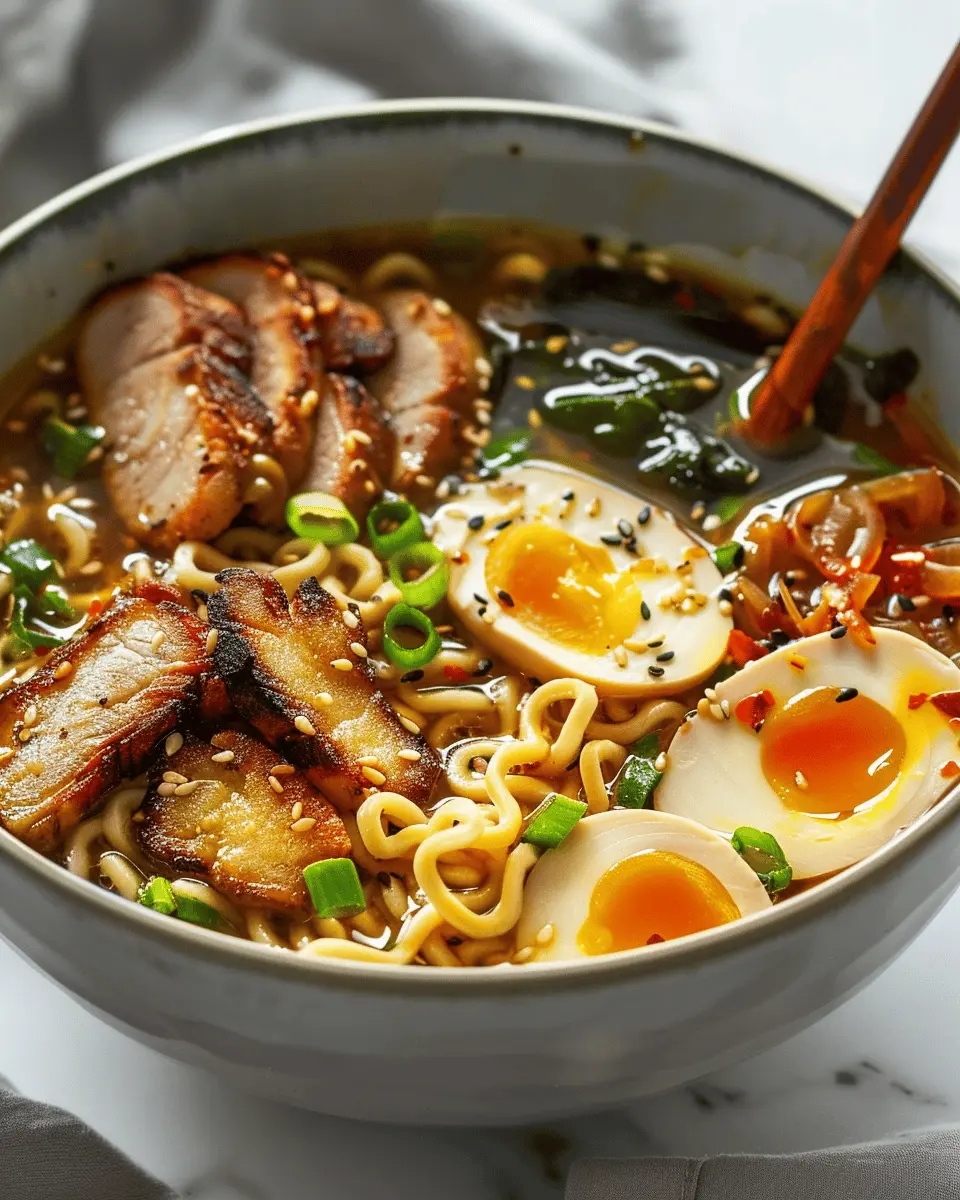
Variations on Homemade Ramen
Vegetarian Options for Your Ramen
If you’re looking to create a delicious homemade ramen that aligns with a vegetarian lifestyle, there are plenty of tasty avenues to explore! Start by substituting traditional broth with a rich vegetable stock. You can enhance the flavor by adding:
- Miso paste for a deeper umami punch
- Seaweed (such as kombu) for a hint of ocean flavor
- Fresh ginger and garlic for warmth and depth
For toppings, consider sautéed mushrooms, crispy tofu, or a medley of colorful veggies like bell peppers, snap peas, and carrots. Adding a soft-boiled egg is a classic enhancement, but if you’re keeping it plant-based, avocado slices offer a creamy alternative. For more inspiration, check out other vegetarian recipes on Love and Lemons.
Spicy Ramen Variations to Tantalize Your Taste Buds
Love a kick in your homemade ramen? Spicing things up is easy! Start by incorporating chili oil or a dot of Sriracha into your broth. For a heartier heat, try adding fresh sliced jalapeños or shichimi togarashi – a Japanese spice blend that brings a delightful depth of flavor. You might also consider:
- Curry paste for a unique spin
- Kimchi for that fermented zing
- Spicy sesame oil for richness and spice
Adjust the spice level to your liking; after all, every palate is different! Feel free to experiment and find the right balance that satisfies those fiery cravings, making each bowl distinctly yours. Who’s ready to dive into a bowl of deliciously spicy ramen? Your ideal bowl awaits!
Cooking Tips and Notes for Homemade Ramen
Advantages of Using Low-Sodium Ingredients
When preparing your homemade ramen, opting for low-sodium ingredients can drastically enhance both your health and the flavor profile. High sodium intake has been linked to various health issues, including hypertension and heart disease. By choosing low-sodium broth or soy sauce, you give yourself the control to adjust your flavor without the excess salt. This simple switch allows the natural flavors of your ingredients to shine while still maintaining a satisfying taste. Want to explore more about low-sodium diets? Check out resources from organizations like the American Heart Association.
How to Achieve the Perfect Soft-Boiled Egg
A velvety soft-boiled egg can elevate your homemade ramen to restaurant-quality. Here’s how to get it just right:
- Start with room temperature eggs: Let them sit out for about 30 minutes to avoid shock from the boiling water.
- Boil the water: Bring a pot of water to a rolling boil.
- Timing is everything: Gently place the eggs in the water and cook for 6-7 minutes depending on how runny you like your yolk.
- Immediate ice bath: Transfer the eggs into an ice bath to stop the cooking process. This ensures they remain perfectly soft.
Enjoying your ramen is all about layering flavors and textures, so don’t skip this crucial step!
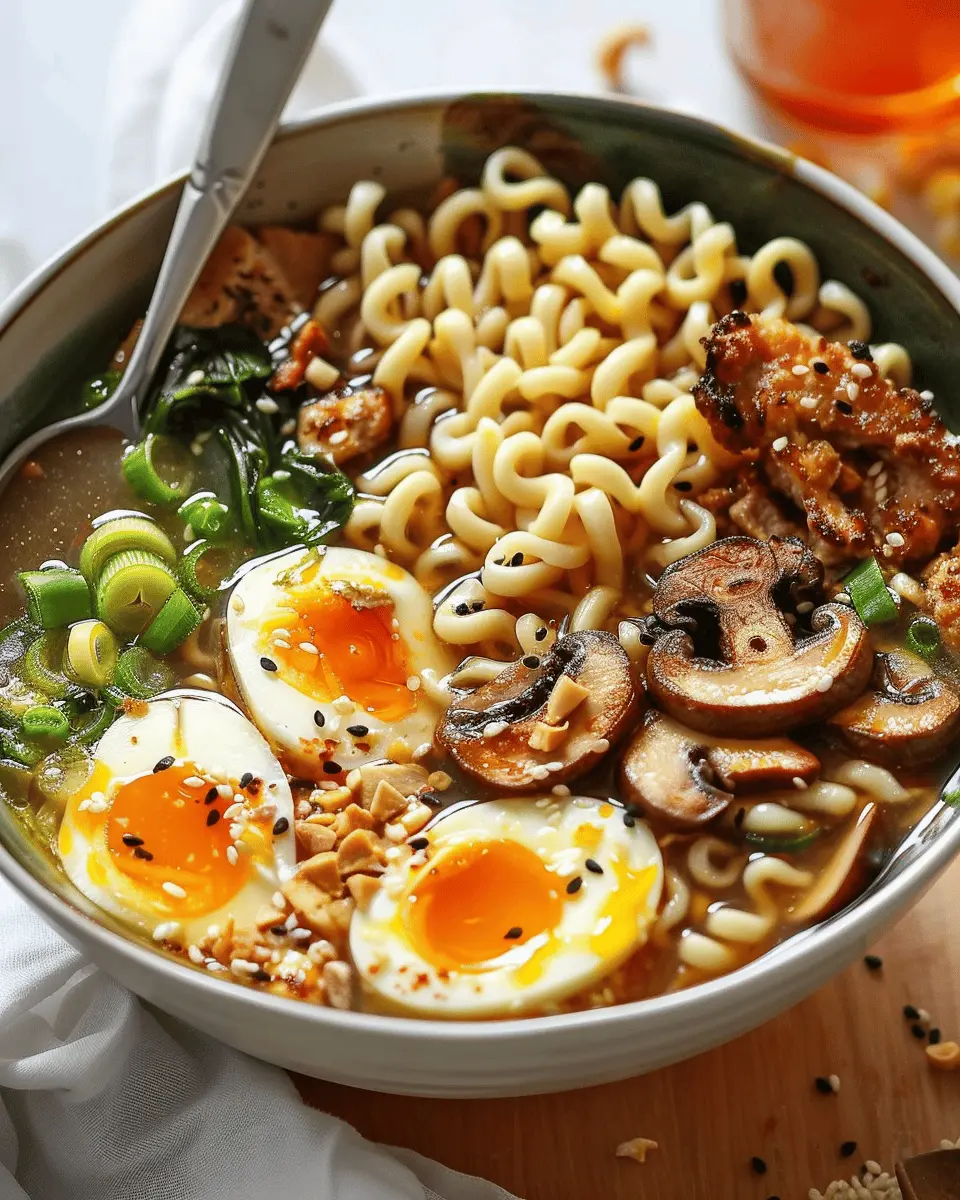
Serving Suggestions for Homemade Ramen
Creative Garnishes to Enhance Flavor
Elevating your homemade ramen is all about the garnishes! Consider adding any of these flavorful toppings to really bring your dish to life:
- Soft-boiled eggs: A perfectly runny yolk can add richness to each bite.
- Green onions: Sliced thin for a fresh, oniony crunch.
- Nori: Seaweed sheets not only add a unique flavor but also a beautiful presentation.
- Sriracha or chili oil: For those who like an extra kick, a drizzle can make your ramen sing.
- Toasted sesame seeds: These add a nutty flavor and nice texture.
Recommended Side Dishes to Complement Your Meal
While your homemade ramen is surely the star of the show, sides can round out your dining experience. Here are some tasty options:
- Edamame: Lightly salted and still in the pod, these are a protein-rich, guilt-free munch.
- Pickled vegetables: A tangy contrast that brightens up the meal.
- Gyoza: These delightful dumplings are perfect for sharing and can be filled with various ingredients to suit your taste.
It’s always a good idea to balance flavors and textures, so don’t hesitate to mix and match! For more ideas on ramen garnishing and sides, explore reputable culinary sites like Serious Eats or Bon Appétit.
Time Breakdown for Homemade Ramen
Preparation time
Getting started on your homemade ramen adventure will take approximately 30 minutes. This includes gathering ingredients like fresh vegetables, Chicken Ham, and Turkey Bacon, as well as prepping your broth and noodles. Think of it as a fun culinary warm-up that sets the stage for a delicious meal ahead.
Cooking time
Once you’ve prepped everything, cooking your ramen will take about 45 minutes. This timeframe accounts for simmering the broth and letting all those flavors blend beautifully. You’ll notice the inviting aroma filling your kitchen—it’s part of the homemade magic!
Total time
In total, you’re looking at about 1 hour and 15 minutes from start to finish. While that may sound like a commitment, the experience is rewarding. Plus, you’ll have a delicious bowl of homemade ramen to share! For more noodle inspiration, check out sources like Serious Eats for in-depth cooking techniques and tips.
Nutritional Facts for Homemade Ramen
Calories per serving
A typical serving of homemade ramen contains about 450-600 calories, depending on your choice of broth and toppings. It’s a flexible dish, so feel free to adjust the ingredients to fit your dietary needs.
Nutritional breakdown of key ingredients
To understand the health benefits of your homemade ramen, consider these main ingredients:
- Broth: Rich in collagen, a nourishing choice for your skin and joints.
- Noodles: While traditional ramen noodles can be high in carbs, you can opt for whole grain or egg noodles for added fiber and protein.
- Turkey Bacon: A leaner alternative to traditional pork, it provides protein with fewer calories and fat.
- Chicken Ham: Offers a lower-fat option, while still packing in flavor and protein.
- Vegetables: Ingredients like bok choy and green onions are loaded with essential vitamins and minerals.
For more insights on ramen nutrition, you might want to check out Nutrition Data for a deeper dive into the health benefits of these ingredients! Balancing flavors and nutrients can elevate your cooking game while keeping it wholesome.
FAQs about Homemade Ramen
Can I make ramen noodles from scratch?
Absolutely! Making your own homemade ramen noodles can be a fun and rewarding experience. You’ll need just a few simple ingredients: flour, water, and Kansui (alkaline water). The Kansui gives the noodles that distinct chewy texture. If you’re feeling adventurous, check out this detailed guide on how to create these delicious noodles from scratch!
What are some good substitutions for chicken broth?
If you’re looking to swap out chicken broth in your homemade ramen, try these alternatives:
- Vegetable broth: For a vegetarian option, vegetable broth works well. Ensure it’s rich and flavorful to enhance your dish.
- Beef broth: This will add a deeper, more robust flavor, and it’s an excellent choice if you love the taste of beef.
- Miso broth: Adding miso paste to water yields a savory noodle soup that brings umami to your homemade ramen experience.
Experimenting with these options can yield a few delicious surprises tailored to your taste!
How can I store leftover ramen?
Leftover ramen can be stored with a few easy steps to maintain its taste and texture. Store the noodles, broth, and toppings separately in airtight containers in the fridge. Here’s how:
- Noodles: They can become soggy, so keeping them separate is key.
- Broth: Let it cool before transferring it to a container to avoid any steam buildup.
- Toppings: Store items like turkey bacon or chicken ham in their own container.
When you’re ready to enjoy the leftovers, simply reheat the broth, add the noodles, and top it off with your favorite ingredients. It’s almost like a second round of your amazing homemade ramen!
Conclusion on Homemade Ramen
Why you should try making homemade ramen today!
Homemade ramen can elevate your cooking game like no other dish. Not only is it customizable to suit your taste, but the process itself is incredibly rewarding. Imagine savoring a bowl of hot, comforting broth you’ve created from scratch, topped with fresh ingredients like vegetables and Turkey Bacon.
Trying your hand at homemade ramen also offers a perfect opportunity to impress friends at dinner parties or enjoy a cozy night in. Plus, you can control the flavors, keeping things healthy and free from preservatives. So roll up your sleeves, gather your ingredients, and dive into the delightful world of homemade ramen! You’ll thank yourself later.
PrintHomemade Ramen: Easy Recipe with Turkey Bacon and Beef for Comfort

Enjoy a comforting bowl of homemade ramen made with turkey bacon and beef. This easy recipe is perfect for a cozy meal.
- Prep Time: 15 minutes
- Cook Time: 20 minutes
- Total Time: 35 minutes
- Yield: 4 servings 1x
- Category: Main Course
- Method: Stovetop
- Cuisine: Japanese
- Diet: Non-Vegan
Ingredients
- 4 cups chicken broth
- 1 tablespoon soy sauce
- 1 teaspoon sesame oil
- 200 grams ramen noodles
- 4 slices turkey bacon
- 200 grams cooked beef, sliced
- 2 green onions, chopped
- 2 soft-boiled eggs
- 1 cup bok choy, chopped
Instructions
- In a pot, heat the chicken broth over medium heat.
- Add soy sauce and sesame oil to the broth, stirring to combine.
- Cook ramen noodles according to package instructions, then drain and set aside.
- In a separate pan, cook turkey bacon until crispy, then chop.
- To serve, place noodles in a bowl, pour the broth over them, and top with turkey bacon, beef, green onions, soft-boiled eggs, and bok choy.
Notes
- Feel free to customize the toppings according to your preferences.
- For a spicier version, add chili oil to the broth.
Nutrition
- Serving Size: 1 bowl
- Calories: 540
- Sugar: 2g
- Sodium: 1500mg
- Fat: 22g
- Saturated Fat: 7g
- Unsaturated Fat: 5g
- Trans Fat: 0g
- Carbohydrates: 60g
- Fiber: 2g
- Protein: 30g
- Cholesterol: 180mg
Keywords: Homemade Ramen, Easy Ramen Recipe, Turkey Bacon Ramen, Beef Ramen